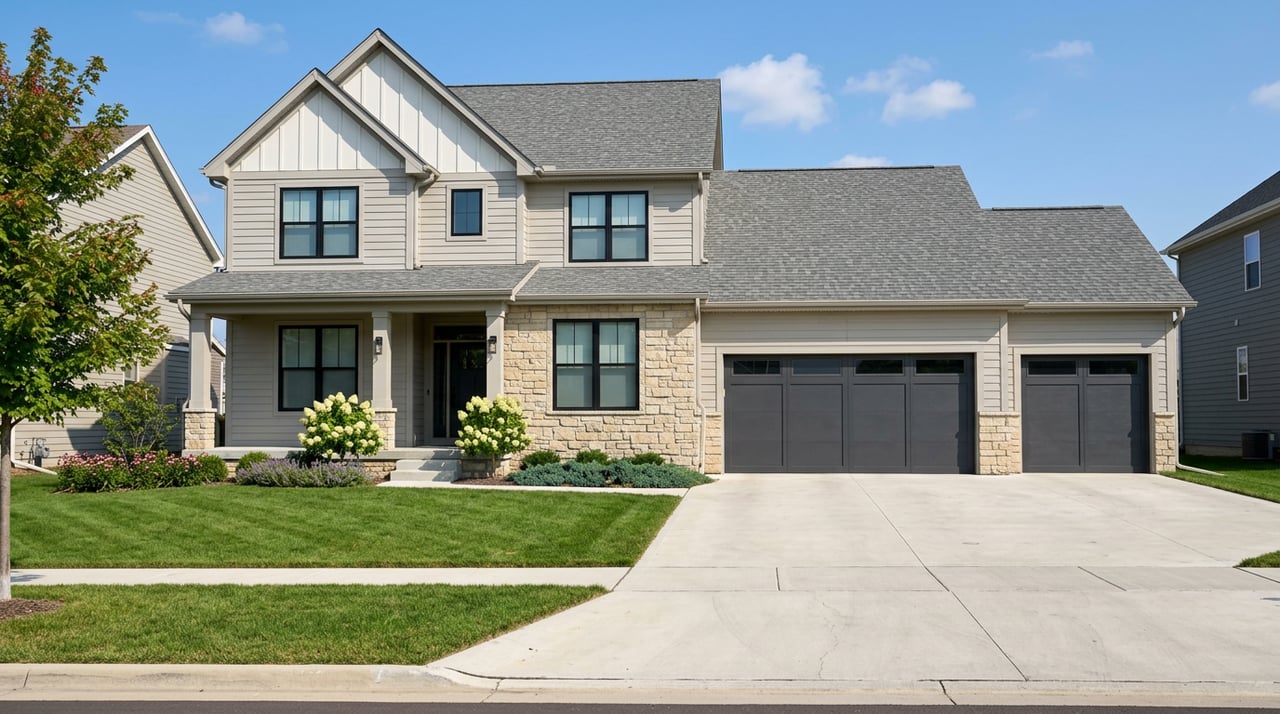
Thinking about building new in Ankeny and not sure whether Prairie Trail or another neighborhood is the better fit? You are not alone. New construction looks different across 50023, from walkable village living to larger custom lots, and each path comes with tradeoffs. In this guide, you’ll see how Prairie Trail compares to the rest of Ankeny on lot sizes, design rules, amenities, pricing, timelines, and everyday lifestyle. Let’s dive in.
Prairie Trail at a glance
Prairie Trail is a master‑planned, mixed‑use community with a clear vision for how homes, streets, parks, and shops come together. The neighborhood follows an official Pattern Book and uses an Architectural Review Board to keep exteriors cohesive and walkable. The plan outlines four architectural palettes and detailed design standards so porches, facades, and materials feel connected across the community. You can explore the vision in the Pattern Book introduction.
Day to day, you get a small‑town center feel with restaurants and services in The District, plus nearby parks and trails. Many homes sit within a short walk or bike ride of dining, errands, and community events. If that village lifestyle matters to you, browse the neighborhood’s hub at The District.
New builds across Ankeny: what to expect
Outside Prairie Trail, Ankeny offers a broad mix of new construction. You will find national production builders with townhomes and single‑family plans, mid‑size subdivisions with semi‑custom options, and custom/estate pockets where you can bring a builder for a one‑of‑a‑kind home. For a quick snapshot of current communities and inventory, check NewHomeSource’s Ankeny index.
If you want an easy, faster path, production builders like D.R. Horton’s Kimberley Crossing offer set floor plans, curated finishes, and occasional quick‑move‑in options. If your dream is a larger lot with design freedom, custom pockets such as Timber Valley Estates feature half‑acre‑plus sites and full custom builds.
Lot sizes and neighborhood layout
Prairie Trail uses defined lot types to shape density, setbacks, and streetscapes. Typical ranges from the official Pattern Book include:
- Townhouse lots: about 22–30 feet wide by 90–100 feet deep.
- Garden lots: about 40–49 feet wide by 100–120 feet deep.
- Village lots: about 50–59 feet wide by 100–120 feet deep.
- Front‑loaded lots: 60 feet or wider by 120 feet deep (corner lots 70 by 120 minimum).
You can see these ranges in detail in the Pattern Book’s lot section. Outside Prairie Trail, lot variety widens. Production townhome plats often sit near ~0.1 acre, smaller detached lots commonly range ~0.12–0.25 acres, and custom neighborhoods like Timber Valley Estates advertise many sites around 0.5–0.9 acres, with some areas in Ankeny reaching 1.0+ acre.
Architecture and design choices
Prairie Trail’s look is intentional. The Pattern Book emphasizes four palettes (European Romantic, Colonial Revival, Victorian, Arts & Crafts) and sets rules for porches, materials, and facade zones. The community’s Architectural Review Board checks plans for compliance, which helps preserve long‑term neighborhood character and curb appeal. You can review the recorded rules on the Prairie Trail covenants page.
Elsewhere in Ankeny, design control varies by subdivision. Many areas allow a broader mix, from traditional and craftsman to contemporary and modern farmhouse, depending on local covenants. If you want full design flexibility, look for custom‑lot plats that permit modern styles and one‑off plans, then confirm standards with that neighborhood’s HOA.
Price ranges you will see
Prices change as inventory and incentives shift, so use these as directional snapshots and always verify current numbers with builder sales offices.
- ZIP 50023 market context: recent medians ranged from about $324,000 to $367,250 depending on data source and date (January 2026 Redfin snapshot; December 2025 Realtor.com and Zillow city index).
- Prairie Trail attached homes: recent townhome sales have commonly fallen around ~$230,000–$350,000 based on past MLS records.
- Prairie Trail single‑family: new spec homes in Heritage Park have been marketed from the mid‑$300ks to $400ks; a current builder page shows a model from about $419,900. Custom homes in Prairie Trail’s estate sections can reach the high‑$600ks to $900k+ depending on plan and finishes.
- Rest of Ankeny: production townhomes often start in the low $200ks–$260k band (see D.R. Horton examples). New detached homes in mid‑size subdivisions commonly begin in the low‑to‑mid $300ks. For estate builds, custom lots can list near ~$190k–$210k in places like Timber Valley Estates before the cost of your custom home.
Tip: Builders may offer closing‑cost help or rate buydowns at times. Ask for today’s incentives when you tour.
HOA, covenants, and ongoing costs
Prairie Trail publishes its master and neighborhood covenants, plus the Pattern Book, so you can understand exterior rules, fences, and landscape standards up front. Start with the official covenants archive. Outside Prairie Trail, HOA structures vary widely. Some production townhome communities include lawn care and snow removal in a monthly fee, while many custom‑lot plats carry modest annual dues focused on common areas. Always factor HOA fees and any design approval steps into your budget and timeline.
Builders and your buyer pathway
There are three clear ways to buy new construction in Ankeny. Each one can work well depending on your timing and design goals.
- Buy a production spec or semi‑custom plan
- Choose a set floor plan with defined options, often the fastest path. See examples like D.R. Horton’s Kimberley Crossing.
- Build with a neighborhood‑approved builder on a lot
- In Prairie Trail, you select from approved builders and use the Pattern Book and ARB process. Explore the official builder list and process.
- Commission a full custom home on a large lot
- Buy in an estate or custom plat and work with your chosen builder on a one‑off plan. Inventory shifts often, so start on NewHomeSource’s Ankeny map and then contact developers for current lot releases.
Timeline and logistics
Your schedule matters as much as your floor plan. Local builder guidance suggests custom or semi‑custom builds often require about 6–9 months from permit to completion depending on size and complexity. If you want a shorter timeline, look for inventory homes that are underway or completed. For planning basics, review a local builder’s overview like Happe Homes’ guidance, and confirm exact steps with your chosen builder.
Which is right for you? Quick checklist
Use this quick lens to decide where to focus your search:
Product and lot needs
- Prefer attached or compact single‑family near shops? Prairie Trail’s townhouse, garden, and village lots fit well.
- Want elbow room and a larger yard? Explore custom pockets with 0.5+ acre lots.
Design control vs. design freedom
- Value a cohesive, historic‑leaning streetscape with design review? Prairie Trail is built for that.
- Want the option for modern or a unique facade? Look to custom‑lot neighborhoods outside Prairie Trail.
Amenities and lifestyle
- Love walking to dinner, parks, and events? Prairie Trail’s town center and parks stand out.
- Prefer privacy, a bigger yard, or quicker highway access? Broader Ankeny plats offer varied locations and lot sizes.
Budget and incentives
- Compare monthly costs across HOA fees, taxes, and current builder incentives.
Resale and long‑term value
- Research suggests walkable, amenity‑rich areas can be resilient on resale over time. Your final answer will come from local comps when you are ready to list or buy.
What to do next
If Prairie Trail’s village lifestyle excites you, or if a larger custom lot across Ankeny fits better, the right next step is to walk a few models, pull current pricing, and review covenants together. We can help you compare neighborhoods side by side, line up builder meetings, and map a timeline that fits your move. When you are ready, connect with Jill Budden to start your plan.
FAQs
What is Prairie Trail and how is it different from other Ankeny new builds?
- Prairie Trail is a master‑planned, mixed‑use community with a Pattern Book, an Architectural Review Board, and a walkable town center. Other Ankeny areas offer broader lot sizes and design flexibility without the same level of design oversight.
How big are Prairie Trail lots compared to elsewhere in Ankeny?
- Prairie Trail ranges from townhouse lots around 22–30 feet wide to 60‑foot‑plus front‑loaded lots. Outside Prairie Trail, you can find townhome plats near ~0.1 acre up to custom/estate lots around 0.5–1.0+ acres.
What are typical price ranges for new construction in Prairie Trail and Ankeny?
- Recent Prairie Trail townhomes often sell around ~$230k–$350k; many new single‑family homes start in the mid‑$300ks–$400ks, with estate builds reaching the high‑$600ks to $900k+. Across Ankeny, production townhomes can start in the low $200ks–$260k and detached homes in the low‑to‑mid $300ks, with custom builds varying widely by lot and finishes.
Who builds in Prairie Trail and how do approvals work?
- You work with neighborhood‑listed builders and submit plans that meet the Pattern Book. The ARB reviews exteriors for cohesion before construction starts.
How long does it take to build a new home in Ankeny?
- Many custom or semi‑custom builds take about 6–9 months from permit to completion; move‑in ready or near‑complete spec homes can shorten that timeline.
Are there HOA rules in Prairie Trail?
- Yes. Prairie Trail maintains recorded covenants and design standards that guide exterior materials, porches, fences, and more. Other Ankeny HOAs vary by neighborhood and product type.