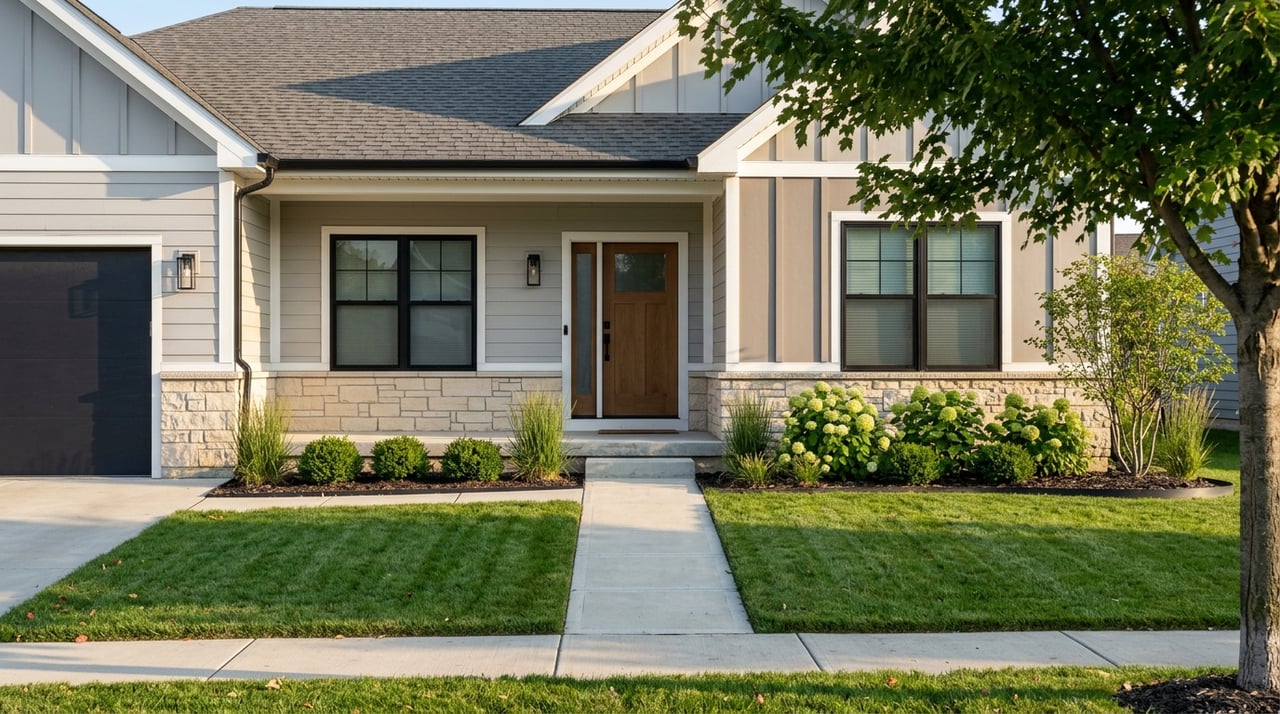
Wondering how to make your Prairie Trail home stand out when buyers have plenty of options to compare? If you are thinking about selling in 50023, the good news is that you do not need a full renovation to make a strong impression. With the right prep, you can highlight your home’s design, show its care, and help buyers picture themselves living there. Let’s dive in.
Why presentation matters in Prairie Trail
Prairie Trail is not just another neighborhood in Ankeny. It is a 1,031-acre planned development with more than 200 acres of parks and open space, 13 miles of trails, walkable businesses, and homes shaped by four traditional architectural styles. That design-forward setting means buyers often notice how well a home fits the neighborhood’s polished, coordinated feel.
That is especially important because Prairie Trail’s building standards emphasize exterior harmony and consistent design details. Homes are guided by a pattern book and reviewed through an Architectural Review Board, so curb appeal is about more than mowing the lawn. It is also about presenting your home as a natural fit within the community.
The broader 50023 market also supports smart preparation. In May 2026, there were 385 homes for sale in 50023, with a median listing price of $375,000, median days on market of 36, and a 99% sale-to-list price ratio. Realtor.com classified 50023 as a seller’s market, which means strong presentation can help your home compete well and support stronger offers.
Start with a clean, calm look
When buyers walk through your home, they want to imagine their own life there. That gets harder when rooms feel crowded, overly personal, or visually busy. In Prairie Trail, a clean and cohesive look tends to work especially well because it aligns with the neighborhood’s planned, design-conscious character.
Staging does not mean remodeling your house from top to bottom. It means cleaning, simplifying, and arranging the space so it feels bright, functional, and easy to understand. According to the 2025 Profile of Home Staging, 83% of buyers’ agents said staging made it easier for buyers to visualize a home as their future property.
Sellers’ agents also reported clear benefits. In that same report, 49% said staged homes sold faster, and 29% said staging led to a 1% to 10% increase in the dollar value offered. That makes staging one of the most practical ways to improve buyer response without taking on a major project.
Focus on the rooms buyers notice first
Not every room needs the same level of effort. If you want the best return on your prep time, start with the spaces buyers tend to notice most.
Living room
The living room is one of the most important spaces to stage, and it is the room most commonly staged by sellers’ agents. Buyers often use this room to judge the overall feel of the home, so keep furniture layout open and simple. Let natural light in, remove extra accessories, and make sure traffic flow feels easy.
If the room feels tight, pull out oversized furniture and store pieces you do not need. A few well-chosen items usually show the space better than a full room of décor. In Prairie Trail, where open floor plans and thoughtful design are part of the neighborhood identity, this matters even more.
Primary bedroom
The primary bedroom should feel restful and spacious. Clear off dressers, reduce personal items, and use simple bedding in neutral tones. Buyers should be able to walk in and see a calm retreat, not a room packed with daily clutter.
Closet space also matters here. If your closet is full, remove off-season clothing and anything you do not use regularly. Creating visible breathing room helps the storage feel more generous.
Kitchen
The kitchen often shapes a buyer’s emotional response right away. Clear counters, clean appliances, wipe down cabinets, and remove anything that makes the room feel crowded. A kitchen does not need to be brand new to impress buyers, but it does need to feel cared for and functional.
If you have worn finishes, focus first on what is most visible in photos and showings. NAR’s staging guidance points to streamlined décor, natural light, and a sense of openness as key priorities. In a home where the kitchen connects to main living areas, that clean look helps the entire floor plan feel more appealing.
Make curb appeal feel intentional
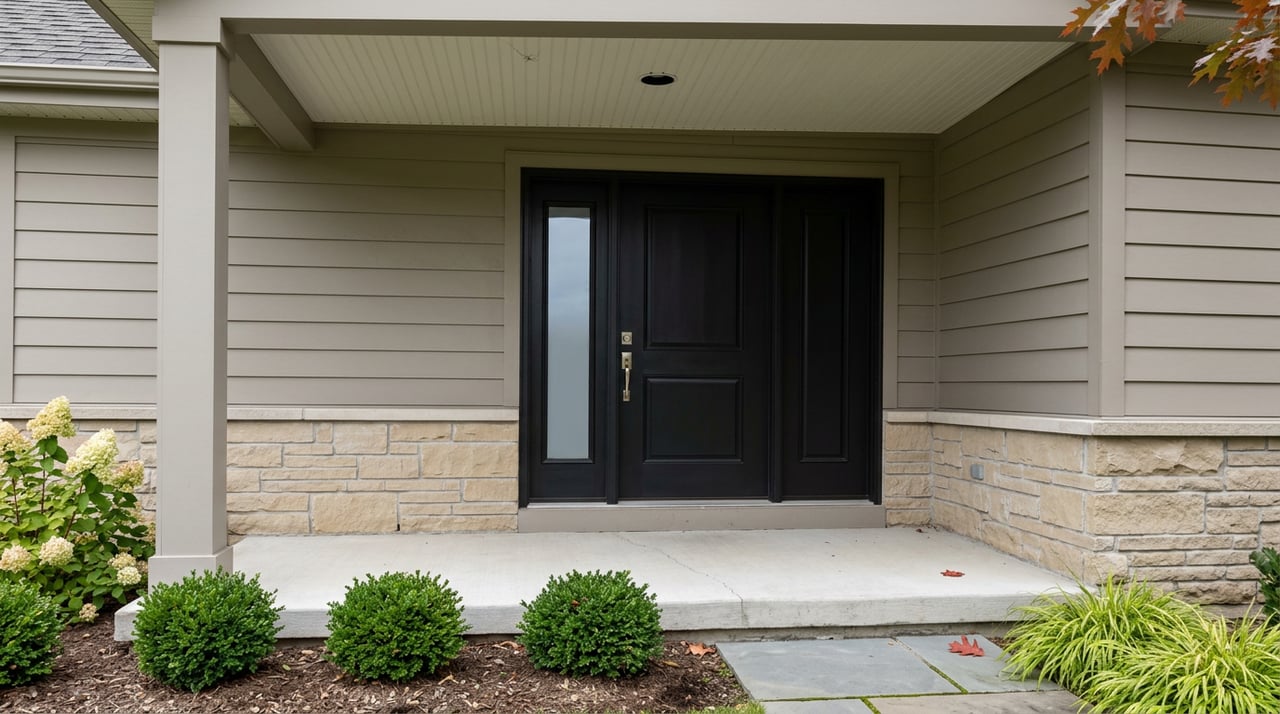
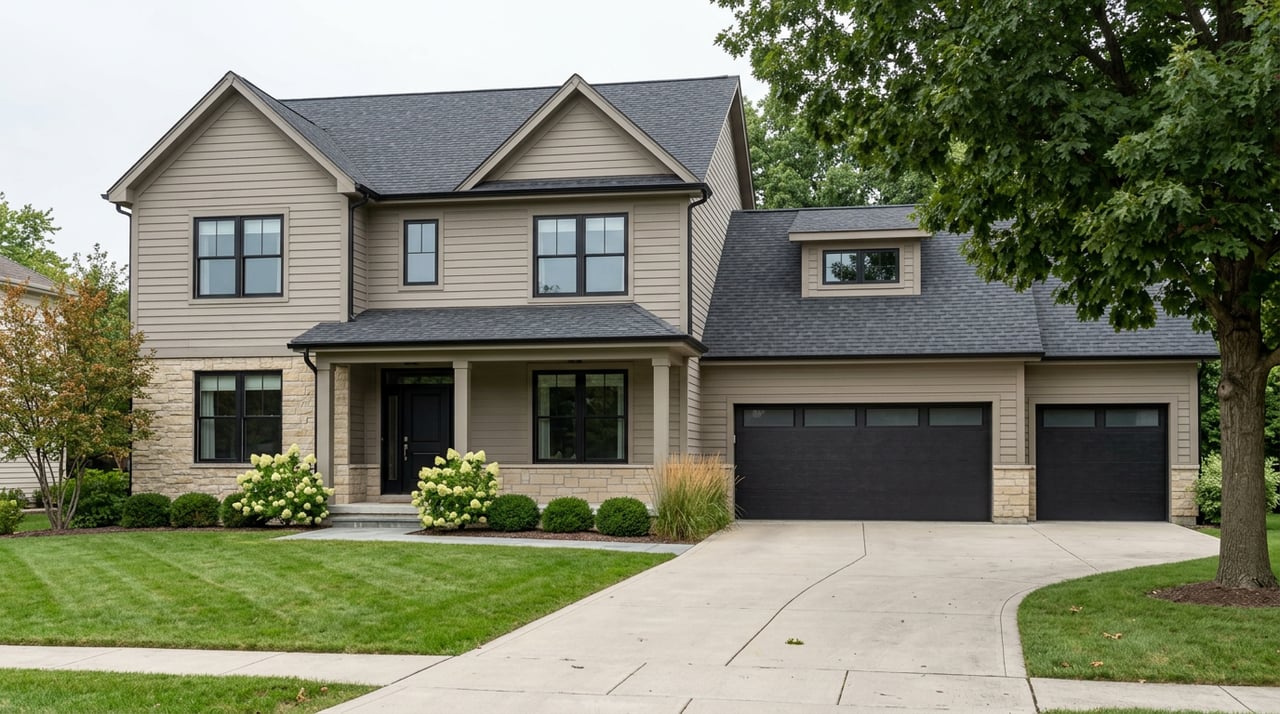
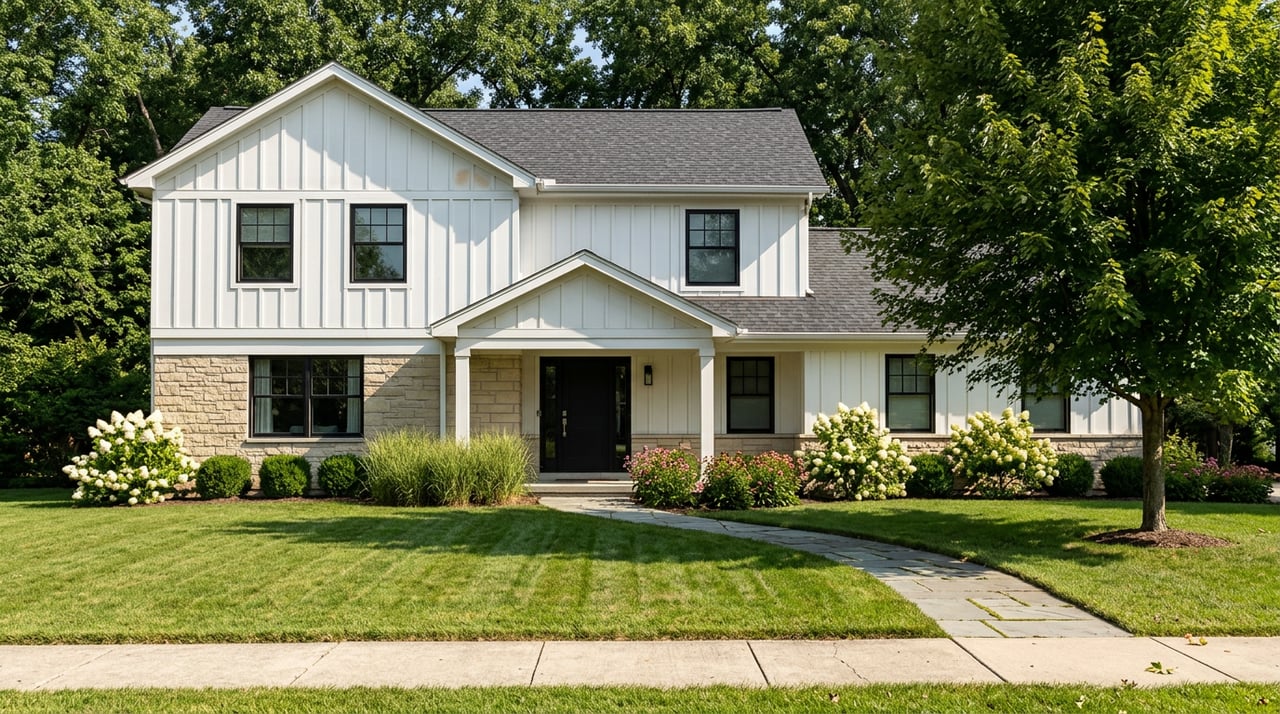
In Prairie Trail, exterior presentation carries extra weight because the neighborhood itself is known for its visual consistency. Buyers often form their first opinion before they ever step inside, both from the street and from listing photos.
You do not need dramatic changes to improve curb appeal. Small, coordinated updates are often more effective than bold ones in a neighborhood with established design standards. The goal is to make the exterior look polished, balanced, and well maintained.
Simple curb appeal tasks
Here are a few practical updates that can improve first impressions:
- Mow the lawn and edge the grass
- Trim bushes and low branches
- Clean windows
- Hide hoses, tools, and bins
- Repair visible driveway cracks
- Replace or polish house numbers
- Check that locks and door hardware match
- Refresh outdoor lighting if needed
- Add simple seasonal planters or greenery near the entry
If you are considering larger exterior changes, keep the neighborhood’s design standards in mind. Prairie Trail’s pattern book and review process reinforce the value of exterior harmony, so balanced updates usually make more sense than anything that feels out of step with surrounding homes.
Prep for photos, not just showings
Many buyers will see your home online before they ever book a tour. That means your home needs to look great in listing photos as well as in person.
NAR notes that photos play an important role in attracting buyers. In a market where people compare many homes quickly, bright, clean, uncluttered spaces tend to hold attention longer. If a room looks dark, crowded, or unfinished in photos, buyers may scroll past before giving it a chance.
Before photos are taken, open blinds, turn on lights, clear countertops, and remove pet items if possible. Make beds neatly, straighten chairs, and put away everyday items like chargers, laundry baskets, and mail. These small details help your home feel more polished in a very visual first impression.
Handle repairs before buyers spot them
Cosmetic updates matter, but condition matters too. Buyers notice dripping faucets, scuffed walls, sticky doors, and burned-out light bulbs more than many sellers expect. Those small issues can make buyers wonder what else has been overlooked.
A pre-sale inspection can help you identify concerns before buyers do. NAR also recommends gathering warranties, guarantees, and manuals for systems and appliances that will remain with the home. That kind of preparation helps your sale feel smoother and shows buyers that you have maintained the property thoughtfully.
If you are deciding where to spend money, start with visible deferred maintenance first. Clean, repair, and simplify before you invest in bigger upgrades. In many cases, that is enough to make the home feel market-ready.
Get disclosure documents organized early
Seller preparation is not only about appearance. It is also about being ready with accurate information when your home goes on the market.
Iowa’s seller disclosure form asks about a wide range of items, including the basement or foundation, roof, plumbing, electrical, pests, structural damage, asbestos, radon, flood plain status, zoning, covenants, and common-area or HOA obligations. Gathering records early can make this process much easier and help you complete disclosures accurately.
If your property is subject to restrictive covenants or an HOA, have those documents ready as well. Prairie Trail’s design structure and shared community features make this especially relevant. Buyers appreciate clear, organized information, and it can reduce stress once offers start coming in.
For homes built before 1978, lead-based paint may also need attention if there are known hazards. Iowa DIAL says sellers must disclose known lead-based paint hazards in writing before a sales contract, and loose, chipped, or peeling paint can be a concern. Many Prairie Trail homes are newer, but if your property includes older components or additions, this is worth checking early.
Keep improvements simple and strategic
One of the biggest mistakes sellers make is over-improving right before they list. In Prairie Trail, buyers are often responding to overall presentation, design consistency, and ease of living. That means thoughtful updates usually outperform expensive last-minute projects.
A smart prep plan often looks like this:
- Deep clean the entire home
- Declutter and depersonalize key spaces
- Touch up paint where needed using neutral tones
- Address visible maintenance issues
- Refresh the front entry and landscaping
- Organize records for disclosures and showings
- Stage the living room, primary bedroom, and kitchen first
This approach helps your home look cared for, current, and easy to imagine living in. That is what buyers tend to respond to most.
What this means for Prairie Trail sellers
In Prairie Trail, your home is part of a neighborhood known for design, walkability, and visual appeal. Buyers are not only shopping for square footage. They are also responding to how a home feels within that larger setting.
The good news is that impressing buyers usually does not require a major overhaul. It requires clean presentation, smart staging, strong photos, and a plan for repairs and disclosures. In a 50023 market where homes were selling in a median of 36 days and typically close to asking price, those details can help your listing stand out.
If you are getting ready to sell your Prairie Trail home, the right strategy starts with knowing what to improve, what to leave alone, and how to present your home at its best. Jill Budden brings a design-forward, hands-on approach to listing preparation so you can live somewhere you love and sell with confidence.
FAQs
What should I do first to prepare a Prairie Trail home for sale?
- Start with a deep clean, decluttering, and simple repairs. Those steps improve both in-person showings and listing photos without requiring a major remodel.
Which rooms matter most when staging a home in Prairie Trail?
- Focus first on the living room, primary bedroom, and kitchen. These are the rooms buyers tend to notice most, and they are also among the most commonly staged spaces.
How important is curb appeal for a Prairie Trail home listing?
- Curb appeal matters a lot because Prairie Trail is known for coordinated design and strong street presence. Small exterior updates that look clean and intentional can make a strong first impression.
Do I need to remodel my Prairie Trail home before listing it?
- Usually no. Many sellers get better results from cleaning, decluttering, staging, and fixing visible maintenance issues than from taking on major last-minute projects.
What documents should Iowa sellers gather before listing a home?
- It helps to gather records related to major systems, repairs, warranties, manuals, covenants, and any HOA or common-area information so disclosures can be completed accurately and efficiently.