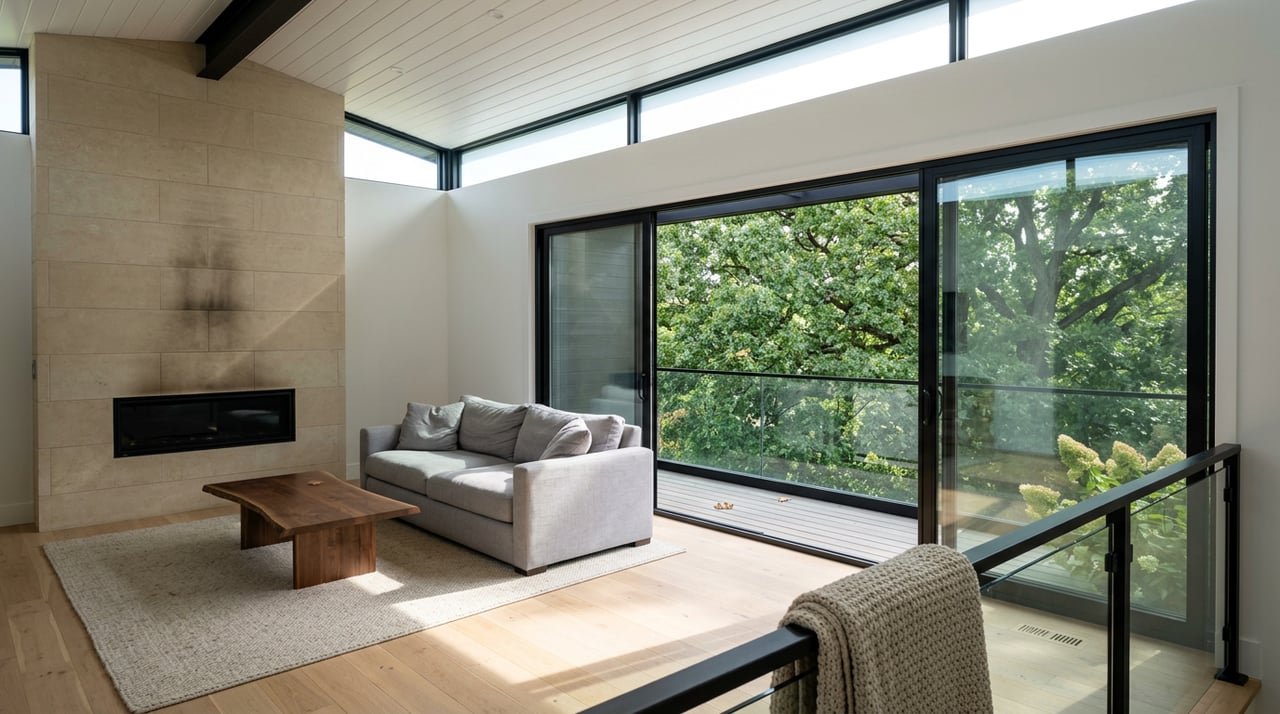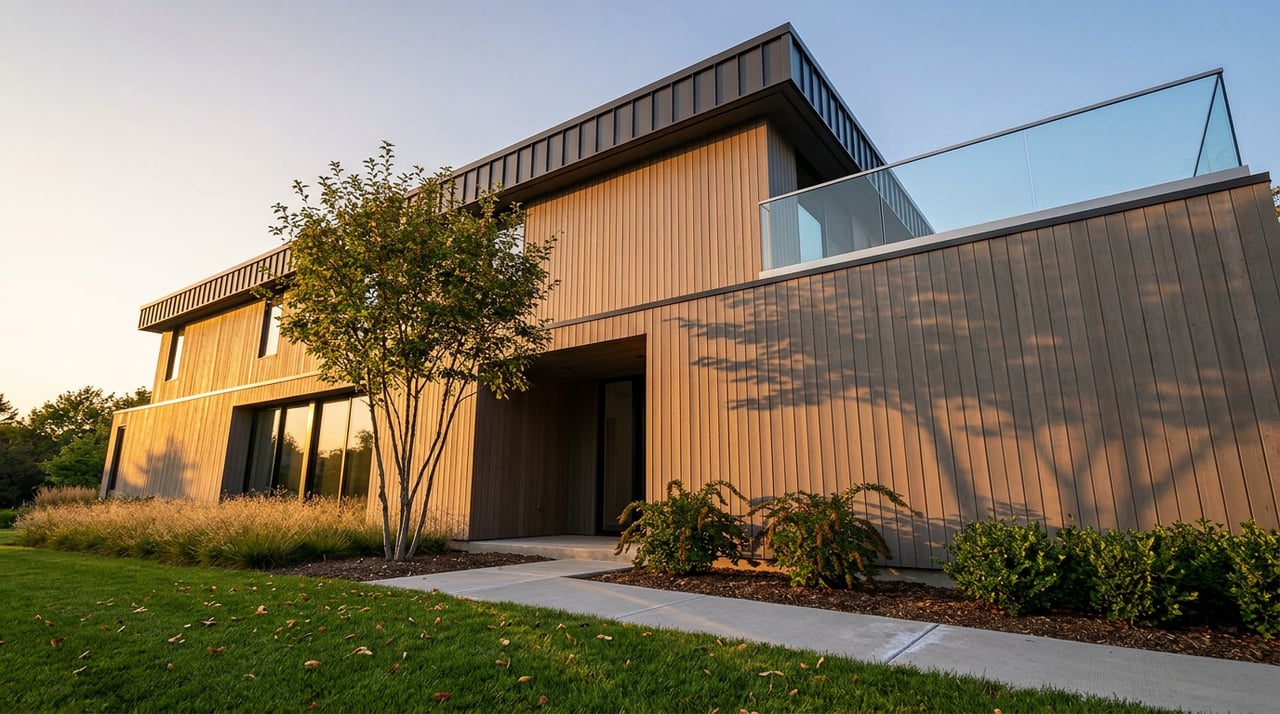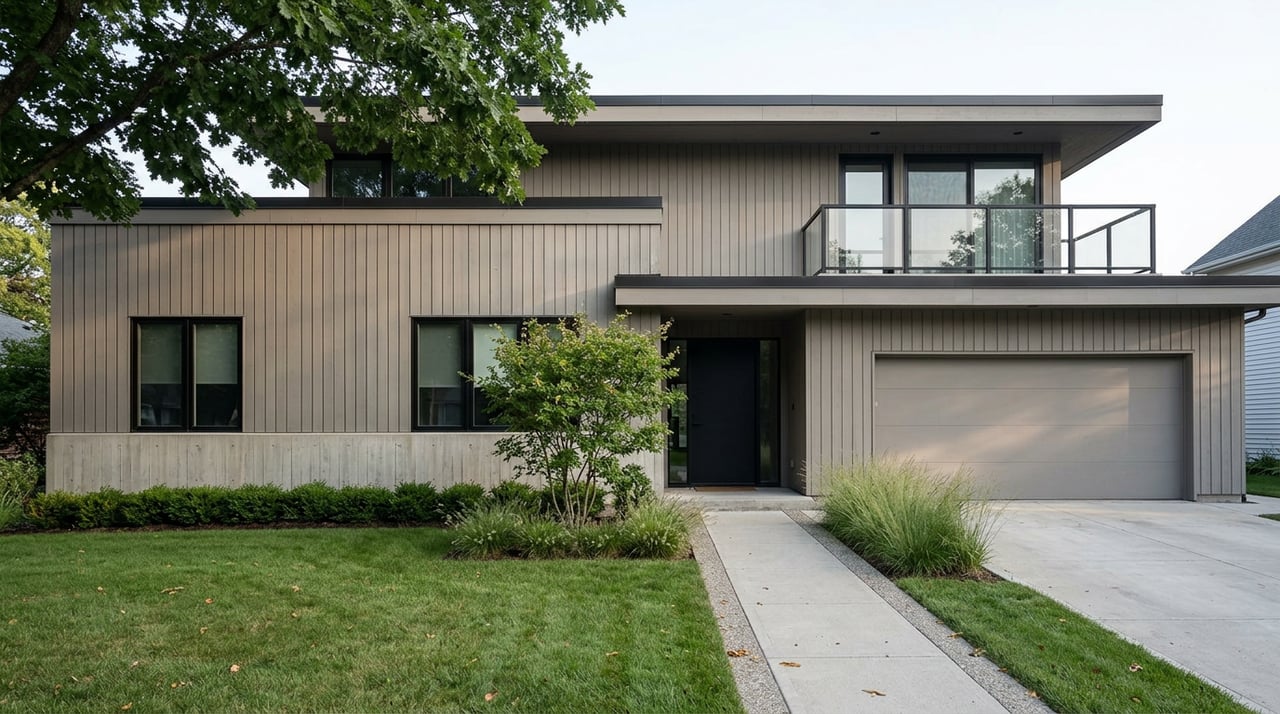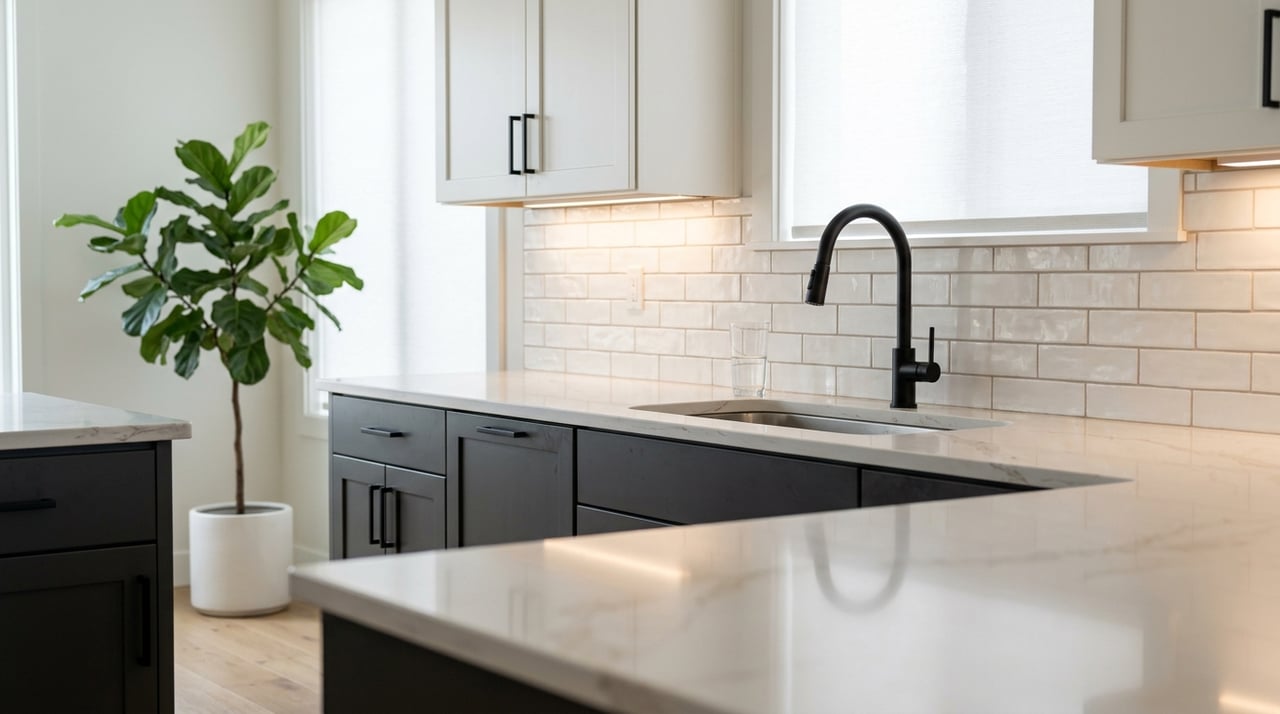
Thinking about building in Prairie Trail? It’s exciting to picture the finishes, floor plan, and front porch, but the path from choosing a lot to getting your keys has more moving parts than many buyers expect. If you want a clearer view of how the process works in Ankeny, this guide will walk you through the major steps, budget checkpoints, and decisions that matter most. Let’s dive in.
Why Prairie Trail draws new-build buyers
Prairie Trail is a planned community in Ankeny built around walkability, connected trails, sustainability, and a new urbanism approach. If you are looking for a neighborhood with a coordinated vision, that structure is a big part of the appeal.
The community spans about 1,000 acres and includes a range of builders. Prairie Trail currently lists builders such as Bella Homes, Caliber Homes, Happe Homes, Hubbell Homes, K&K Homes, Kimberley Development Corporation, Mapes Construction, MJ Properties, Northridge Homes, Orton Homes, and Stonecraft Homes, with lot sizes and price points that vary by neighborhood.
Start with financing readiness
Before you fall in love with a lot or a floor plan, it helps to know what you can comfortably afford. Getting preapproved early can give you a stronger starting point and help you move faster when the right opportunity appears.
It is also smart to ask detailed questions about up-front cash needs. New-construction purchases may involve a builder deposit or earnest money, and the refund terms are important to confirm before you commit.
If a builder suggests a preferred lender, remember that you can still shop around. Buyers are not required to use a builder-affiliated lender, so comparing options can help you understand rates, fees, and loan structures before you decide.
Choose the right builder and lot
In Prairie Trail, the process often starts with choosing a builder and then matching a lot to the home style and location you want. That order matters because the lot, home plan, and community design rules all need to work together.
This is where local guidance can save you time. Not every lot fits every plan, and availability can change, so it helps to have someone who understands the neighborhood layout, builder options, and how your goals line up with current opportunities.
As you compare lots, think beyond the home itself. Consider how the location within Prairie Trail fits your daily routine, preferred home style, and long-term plans.
Understand Prairie Trail design rules
One of Prairie Trail’s defining features is its design framework. The community uses a Pattern Book that sets expectations for neighborhood character, building design, and landscape elements, and new homes are reviewed by the Architectural Review Board.
That means your choices may be more curated than in a typical new-build neighborhood. Exterior materials, architectural details, landscaping elements, and overall streetscape fit are all part of the approval process.
These guidelines are designed to preserve variety and community character, including limits on repetitive facades. For you as a buyer, the key takeaway is simple: design selections are not just about personal taste. They also need to align with Prairie Trail’s approved standards.
Review your contract carefully
Before signing, take time to understand what the contract says about timing, finishes, and protections. New construction has more variables than a resale home, so clear expectations matter.
Pay close attention to completion-date language and warranty coverage. It is also wise to confirm how upgrades, allowances, and change orders are handled, especially if you think your preferences may evolve during the process.
A strong contract review can help you avoid surprises later. This is one of the biggest reasons many buyers want experienced representation during a new-construction purchase.
Budget for more than the base price
The purchase price is only one part of your total budget. In most new builds, you will also want to plan for the builder deposit or earnest money, your down payment, and closing costs.
Closing costs typically run about 2% to 5% of the purchase price, separate from the down payment. You may also need cash for moving expenses, initial improvements, and other setup costs once the home is complete.
It helps to think about ongoing ownership costs too. Your monthly budget may include taxes, insurance, utilities, maintenance, and HOA fees where applicable.
If you are using a construction loan, the structure can look different from a standard mortgage. Construction loans are typically short-term, often carry higher interest rates than longer-term mortgages, fund the project in stages, and may begin requiring payments within 6 to 24 months after the loan is made.
Expect design choices and change orders to affect cost
In Prairie Trail, design decisions are shaped by both your builder and the community guidelines. Because the Pattern Book and Architectural Review Board influence what is approved, some changes may fit the plan while others may not.
That matters for your budget and timeline. If you request changes after plans are approved, you should expect the possibility of added cost and added time.
The best way to reduce stress is to make thoughtful selections early and understand what is included before construction begins. Clear expectations upfront usually lead to a smoother build.
Know the City of Ankeny permit process
Once plans are submitted, the City of Ankeny requires a permit before construction can start. The city states that residential permit review takes about five working days after plans are submitted.
No construction can begin until the permit is issued. If the project changes after approval, revised plans must be submitted again for approval.
For buyers, this is an important milestone because it affects the real start of the timeline. A home may feel like it is underway emotionally long before physical construction actually begins.
Follow the inspection milestones
As your home moves from paper to reality, the city inspection process becomes the next major checkpoint. In Ankeny, residential inspections include footing and foundation, rough framing and trades, checks before insulation or drywall, sewer and water service lines before backfill, and a final inspection.
The city asks for 48 hours’ notice when scheduling inspections. While your builder manages these steps, it helps to understand that each stage depends on passing the one before it.
This is one reason new-construction timelines can shift. Delays do not always come from one major problem. Sometimes they come from a series of smaller scheduling and approval steps that all have to line up.
Plan for the final steps before move-in
At the end of the process, the home must pass final inspections before the City of Ankeny issues an occupancy permit. That permit is a key step in getting the home move-in ready.
Utilities are a separate task, so do not leave them to the last minute. The city asks homeowners to submit the residential utility application with a government-issued photo ID before the service start date.
This final stretch often feels fast after months of planning and construction. Having a checklist for your closing date, utility setup, walk-through, and move can make those last steps feel much more manageable.
Why an independent inspection still matters
Even though the home is brand new, an independent buyer inspection is still strongly recommended before closing. A new home can still have items that need correction, adjustment, or clarification.
It is also smart for your purchase contract to include contingencies for financing and a satisfactory inspection. Those protections can give you more confidence as you move toward closing.
A final walk-through and independent inspection help you verify that the home you are receiving matches expectations. New does not always mean perfect, and this step is worth taking seriously.
How local representation helps
Building a home in Prairie Trail means keeping track of more than one system. You are not only choosing a builder and a lot, but also moving through Prairie Trail design review and the City of Ankeny permit and inspection process.
That is where experienced local support can make a real difference. With the right guidance, you can stay focused on the big picture while someone helps you track deadlines, design selections, contract details, and key milestones.
If you are comparing builders, weighing lots, or relocating to Ankeny, having a local advocate can also help you ask better questions at the right time. That kind of clarity can save both time and stress.
If you are considering a new home in Prairie Trail, Jill Budden can help you navigate the process with local insight, builder and lot knowledge, and the kind of clear guidance that keeps your move on track. Live somewhere you love — Let’s get started.
FAQs
Can you use your own lender when building in Prairie Trail?
- Yes. Buyers are not required to use a builder-affiliated lender, so you can compare lenders and choose the option that fits your needs.
What design rules apply to new homes in Prairie Trail?
- New homes in Prairie Trail are guided by the community Pattern Book and reviewed by the Architectural Review Board, which shape building design, neighborhood character, and landscape elements.
What permits are needed to build a home in Ankeny?
- The City of Ankeny requires a residential building permit before construction begins, and approved plan changes must be resubmitted for review.
What inspections happen during new-home construction in Ankeny?
- The city lists inspections for footing and foundation, rough framing and trades, stages before insulation or drywall, sewer and water service lines before backfill, and final inspection.
What extra costs should you expect when building a new home?
- In addition to the purchase price, buyers should budget for deposits or earnest money, down payment, closing costs, moving expenses, and ongoing costs like taxes, insurance, utilities, maintenance, and HOA fees where applicable.
What happens if the new-home completion date changes?
- New-construction timelines can shift due to approvals, inspections, scheduling, or project changes, so it is important to review the contract language about completion dates before signing.
Should you get a home inspection on a brand-new house?
- Yes. An independent buyer inspection is strongly recommended before closing, even on new construction.