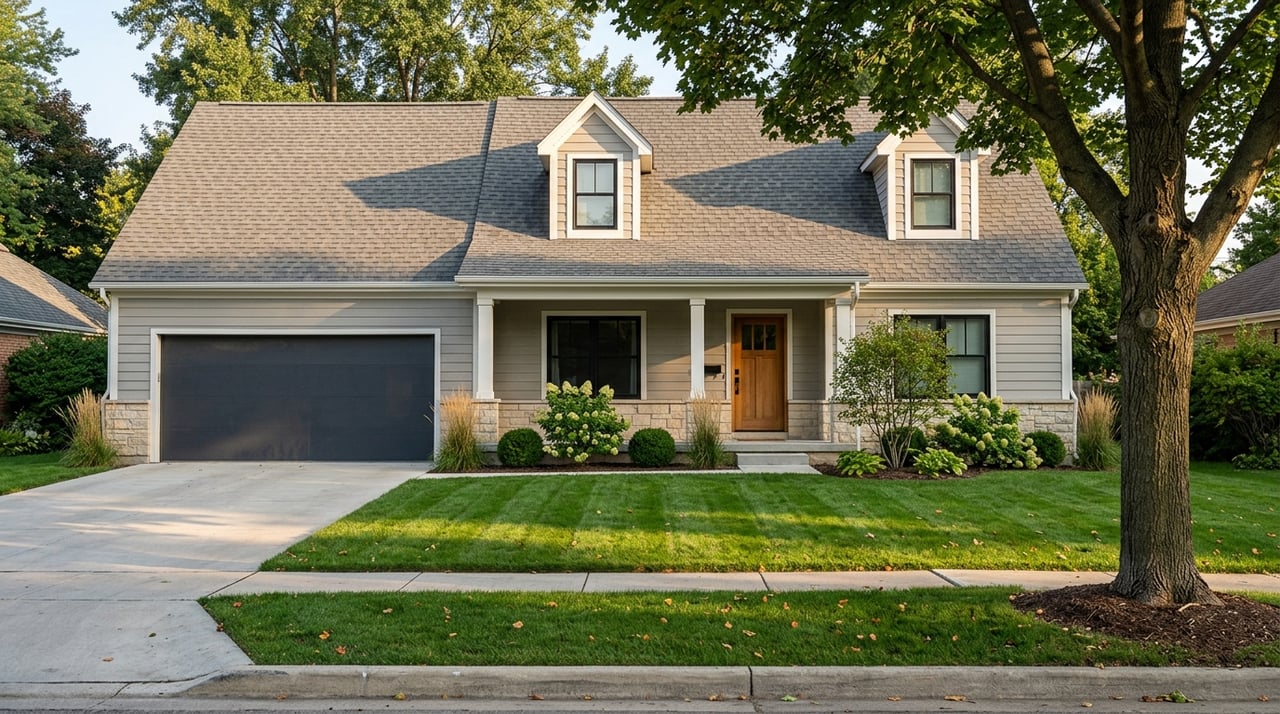
If you’re planning a move in Ankeny, one question can shape your whole timeline: should you buy first or sell first? It’s a real concern, especially when you want to avoid extra stress, protect your budget, and still land the right next home. The good news is that Ankeny’s market gives you options, but the best order depends on your equity, your financing, and how much overlap risk you can handle. Let’s break it down.
Ankeny Market Conditions Matter
In March 2026, Ankeny looked seller-leaning but not overheated. Realtor.com identified it as a seller’s market, with a 100% sale-to-list ratio and a median 50 days on market. Redfin reported a median sale price of $351,045 and described the market as somewhat competitive, while Zillow put the average home value at $338,168 and noted homes going pending in about 39 days.
Those numbers are not identical because each source measures the market a little differently. Still, the overall message is consistent: homes can sell well in Ankeny, but strong presentation, pricing, and planning still matter.
That’s especially important if you’re trying to line up two transactions at once. Some homes move quickly, while others take longer and need more flexibility on price or timing.
Sell First for More Certainty
For many homeowners in Ankeny, selling first is the safer path. If you need the equity from your current home to fund your down payment or closing costs, selling first can reduce financial pressure and make your next move much more predictable.
This matters even more in a higher-rate environment. Freddie Mac reported the average 30-year fixed mortgage rate at 6.51% on May 21, 2026, which means carrying two housing payments can get expensive fast.
Selling first can also help with mortgage approval. Fannie Mae allows lenders to consider anticipated sales proceeds from your current home when it is listed, but that process depends on documentation and lender review. If your current home is still pending sale when the next mortgage is underwritten, both the current and future housing payments may be counted unless the lender has the executed sales contract and confirmation that financing contingencies have been cleared.
In plain terms, that means selling first often creates a cleaner financing path. You know how much equity you actually have, you avoid guessing on timing, and you reduce the chance of being stretched by two monthly payments.
Sell First May Be Best If You:
- Need equity from your current home for the next down payment
- Want to avoid carrying two mortgages
- Prefer a clearer budget before shopping
- Want to reduce underwriting complications
- Would rather move with less financial overlap
Buy First When Flexibility Is Strong
Buying first can make sense, but usually only when your finances are in a strong position. If you have significant equity, cash reserves, or a replacement home that may be hard to find again, buying before selling may give you more control over your move.
This can be especially helpful if you do not want to feel rushed into your next purchase. It can also be appealing if you are relocating, moving into new construction, or targeting a specific type of home in Ankeny that does not come up often.
Fannie Mae allows bridge or swing loans as acceptable funds in some cases, as long as they are not cross-collateralized against the new property and the lender documents your ability to carry the current home, new home, bridge loan, and other obligations. Fannie Mae does not set a maximum bridge-loan term.
Another option is a HELOC. The Consumer Financial Protection Bureau explains that a HELOC is a line of credit secured by your home, usually with an adjustable rate, and if you already have a mortgage, it is considered a second mortgage.
That flexibility can help, but it also adds risk. If your current home does not sell as quickly as expected, you could be juggling multiple payments at once.
Buy First May Be Best If You:
- Have strong equity and cash reserves
- Can comfortably handle temporary payment overlap
- Need more control over your next-home search
- Are trying to secure a harder-to-find home type
- Have a documented bridge plan approved by your lender
What Makes Ankeny Different?
Ankeny gives you choices, but not every choice is equally easy. In March 2026, there were 985 homes for sale and 126 rentals in the market. The largest for-sale inventory counts were in ZIP codes 50021 with 601 homes and 50023 with 383 homes.
That matters if you are thinking about selling first and renting temporarily. The for-sale pool is much larger than the rental pool, so a short-term rental backup plan may be harder to secure than many homeowners expect.
Recent sold examples in Southeast and Southwest Ankeny also showed a wide range in days on market, from 26 days to 170 days. That is a useful reminder that timing is never one-size-fits-all.
A polished, well-prepared home can move quickly. A home that needs pricing adjustments or stronger presentation may take longer.
How to Decide Which Order Fits You
The best way to answer this question is to start with your risk tolerance. If your biggest concern is avoiding financial strain, selling first is usually the better move. If your biggest concern is finding the right replacement home and you can absorb the overlap, buying first may be reasonable.
Here’s a simple way to think about it:
| If your priority is... | The better starting point may be... |
|---|---|
| Unlocking equity | Sell first |
| Avoiding two mortgage payments | Sell first |
| Cleaner loan approval | Sell first |
| Securing a hard-to-find next home | Buy first |
| Staying in control of your move timeline | Buy first, if finances allow |
| Avoiding a temporary move | Buy first, or sell first with a rent-back plan |
Gap Strategies Between Selling and Buying
If your ideal order is not perfectly clean, there are a few ways to manage the gap.
Rent-Back or Sale-Leaseback
A rent-back can give you time to stay in your current home after closing while you finish your next purchase. This can help you unlock equity first without moving twice.
The National Association of Realtors advises putting the agreement in writing, checking insurance coverage, and getting lender approval. It also notes that many lenders will not accept leasebacks longer than 60 days, so this strategy usually works best as a short-term bridge rather than a long-term plan.
Bridge Loan
A bridge loan may help you buy before your current home closes. This can be useful if you have a clear sale plan and your lender confirms that you qualify for the added obligation.
The key is documentation. Your lender will need to verify that you can carry the full picture, not just the new mortgage.
HELOC
A HELOC can provide flexible access to equity before your home sells. That may sound attractive, but because it is usually a second mortgage with an adjustable rate, it can increase your monthly risk if the sale takes longer than expected.
For many homeowners, this is not just a math question. It is also a stress question.
Why Preparation Makes a Big Difference
In a market like Ankeny, good planning is only part of the story. Presentation matters too. If you decide to sell first, the goal is not just to get listed. The goal is to launch with pricing, staging, photography, and marketing that help your home stand out from day one.
That is especially important in a market where some homes move fast and others sit longer. Thoughtful presentation can improve buyer interest, support stronger pricing, and reduce the chance that your timeline slips.
If you are buying first, preparation matters on the financing side just as much. Before you make an offer, you should know what your lender will count, what documentation is required, and what your maximum comfortable overlap really looks like.
The Bottom Line for Ankeny Homeowners
For most Ankeny homeowners, selling first is the safer option, especially if you need your current home’s equity or want to avoid the strain of two mortgage payments. Buying first can work when you have strong reserves, a solid bridge strategy, and enough flexibility to handle overlap if the sale takes longer than expected.
The right answer depends on your budget, your timeline, and the kind of move you’re making. If you’re upsizing, downsizing, relocating, or trying to coordinate a new-construction timeline, a local plan matters more than a generic rule.
If you want help mapping out the smartest next step in Ankeny, Jill Budden can help you build a move plan that fits your goals, your timing, and your comfort level. Live somewhere you love — Let’s get started.
FAQs
Should I sell first in Ankeny if I need equity for a down payment?
- Yes, in many cases selling first is the safer route if you need equity from your current home to fund the next purchase, because it can reduce financing uncertainty and lower the risk of carrying two payments.
Can I buy first in Ankeny with a bridge loan instead of a HELOC?
- Yes, a bridge loan may be an option if your lender approves it and documents your ability to carry your current home, new home, bridge loan, and other debts, while a HELOC is usually a second mortgage with an adjustable rate.
What happens if my current home is pending when I apply for my next mortgage?
- Your lender may count both your current and future housing payments unless they have the executed sales contract and confirmation that financing contingencies on the sale have been cleared.
Is a rent-back in Ankeny safer than moving twice?
- A rent-back can be a practical short-term solution if you need sale proceeds before buying, but it should be in writing, reviewed for insurance and lender approval, and many lenders may not allow it beyond 60 days.
Is Ankeny a strong enough market to buy before selling?
- Ankeny is seller-leaning, but it is not so fast that every home sells instantly, so buying first is usually best only if you have the reserves and financing plan to handle possible overlap.
Does home presentation really affect timing in Ankeny?
- Yes, the market data suggests that while some homes move quickly, others take much longer, so pricing, preparation, and presentation can play a major role in how your sale timeline unfolds.